

Hey everyone, if you've ever dealt with a tile and trim setup, you know how tricky stains can pop up-especially on two totally different materials like PVC and marble tile trim. I've been a supplier of these products for years, and let me tell you, I've seen every kind of mess: coffee splatters in the kitchen, grout haze from a recent tile job, even soap scum buildup in bathrooms. The big mistake people make? Using the same cleaner for both PVC and marble, which can either damage the PVC or etch the marble beyond repair. Today I'm breaking down exactly how to clean stains on both, plus a few pro tips that come straight from working with these materials every single day.
First, let's get one thing clear: PVC and marble have totally different needs. PVC is a durable plastic, but it's not indestructible-harsh chemicals like bleach or abrasive scrubs can make it yellow over time or scratch the surface. Marble, on the other hand, is a porous natural stone, so acidic cleaners (think vinegar, lemon juice, or even some all-purpose sprays) will eat away at its surface, leaving dull spots or permanent etch marks. That's why it's so important to separate your cleaning routine for each material, even when they're right next to each other on your walls or floors.
Let's start with the PVC side first, since that's what I sell a lot of-like our PVC Round Edge Trim, Plastic Drywall Corner Bead, and Plastic Tile Edge Trim products. PVC is super versatile, which is why it's such a popular choice for trim, but its stain resistance depends on the type of stain. Let's go through the most common ones and how to tackle them.
-
Grout haze or construction stains: If you've just finished tiling, you might have that white, chalky grout residue on your PVC trim. Don't reach for a heavy-duty grout remover-those are too harsh for PVC. Instead, mix a bucket of warm water with a tiny drop of mild dish soap (like Dawn, not the antibacterial stuff with triclosan) and a splash of white vinegar. Scrub gently with a soft nylon brush (a toothbrush works for small spots) and rinse thoroughly with clean water. If the haze is really stuck, try a paste of baking soda and water-scrub lightly, then wipe away. Avoid any abrasive scouring pads (like steel wool or Brillo) because they'll scratch the PVC surface, which will just hold more stains later.
-
Food or beverage stains (coffee, wine, sauce): Spilled tomato sauce or morning coffee on your PVC trim? Blot the stain immediately with a paper towel-don't rub, because that'll push the stain deeper into any tiny surface imperfections. Once you've blotted, make a solution of 1 part rubbing alcohol to 4 parts warm water. Dip a soft cloth in the solution, wring it out so it's not dripping, and dab the stain gently. Rubbing alcohol is strong enough to cut through grease and food stains, but it's mild enough not to damage PVC. For red wine stains, you can add a tiny bit of hydrogen peroxide (3% strength) to the alcohol solution-test it on an inconspicuous spot of your trim first, just in case, since some PVC products are tinted. If it discolors a tiny bit, rinse right away with plain water.
-
Scuff marks or dirt buildup: High-traffic areas, like doorways or baseboard trim, tend to get scuffed up from shoes or furniture. For these, a magic eraser (the melamine kind) works great-just wet it lightly and rub the scuff. But here's a pro tip from my team: test the magic eraser on a small hidden spot first, because over-aggressive use can dull the PVC's finish if it's a glossy product. For general dirt, a mix of warm water and a few drops of mild laundry detergent works too-just make sure to rinse completely so no soap residue is left behind, which can attract more dirt later.

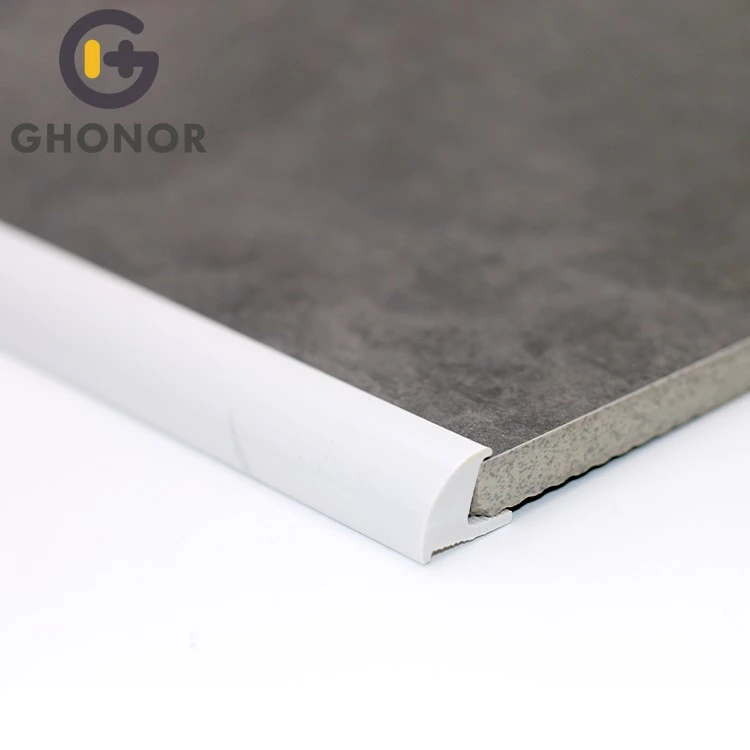
Now, let's switch to the marble tile trim side. Marble is beautiful, but it's a high-maintenance material compared to PVC-one wrong cleaner can ruin it for good. That's why our Marble PVC Tile Edge Trim (wait, no, that link is for black plastic-oops, maybe I meant our marble trim paired with PVC, but let's clarify: when marble trim is installed, it's often adjacent to PVC, so the key is to not cross-contaminate cleaners. For marble, skip vinegar, lemon, bleach, and all-purpose cleaners that list acidic ingredients. Stick to pH-neutral cleaners-these are formulated for natural stone, and they're easy to find at any hardware store (just look for "marble and granite cleaner").
Common marble stains and how to clean them:
- Water spots or mineral deposits: These are super common in bathrooms, where hard water leaves white, hazy spots on marble. First, wipe the area with a dry microfiber cloth-if that doesn't work, mix a small amount of pH-neutral cleaner with warm water, apply it with a soft cloth, and wipe gently. If the spots are really stubborn, make a paste of baking soda and water (pH-neutral, so it's safe for marble) and apply a thin layer to the spot. Let it sit for 5-10 minutes, then wipe off with a damp cloth and dry immediately. Don't let the baking soda paste sit too long, though-some marble types are more sensitive than others.
- Oil-based stains (grease, lotion): Kitchen or bathroom marble trim can get greasy from cooking splatters or body lotion. Blot the excess oil with a paper towel first, then apply a small amount of pH-neutral cleaner and wipe with a soft cloth. If the stain is deep, make a poultice: mix baking soda with a tiny bit of water (or mineral oil, for really thick oil stains) to make a spreadable paste, apply it to the stain, cover it with plastic wrap, and let it sit 24 hours. The poultice will draw the oil out of the marble. After 24 hours, wipe it away with a damp cloth and dry thoroughly. This is a trick we recommend for contractors who install marble trim alongside our products, because it's effective without damaging the stone.
- Ink or marker stains: Kids' rooms or home offices often have marker stains on marble trim. Blot the ink with a cotton swab dipped in rubbing alcohol (but again, test it first! Some dark marble might stain from alcohol). If that doesn't work, use a small amount of hydrogen peroxide (3% strength) on a cotton swab, dabbing gently-never rub, because that'll spread the ink. Rinse immediately with water and dry. If the stain is still there, the poultice method works for ink too-just use a little more hydrogen peroxide in the paste instead of water.
One big mistake I see customers make is mixing the two: using a marble cleaner on PVC or a PVC cleaner on marble. For example, vinegar-based cleaners (which are great for PVC) are acidic and will etch marble, leaving a dull spot that you can't fix. Bleach (which some people use for white PVC) will discolor marble and even break down PVC over time. And abrasive scrubs (like steel wool) scratch both materials-PVC gets scuffs, marble gets permanent marks. So always keep two separate cloths and buckets: one for PVC, one for marble. That way you don't accidentally transfer a harsh cleaner from one surface to the other.
Another pro tip: prevention is way easier than cleaning. When you're installing trim, make sure both PVC and marble are sealed properly. PVC doesn't need a sealer, but marble does-use a penetrating stone sealer every 6-12 months, depending on how much traffic the area gets. For PVC, wipe down the trim regularly with a soft cloth and mild soap, so stains don't have time to set. If you have kids or pets, keep a microfiber cloth handy to wipe up spills before they dry.
Now, if you're installing trim for a bathroom or kitchen project, choosing the right products can save you a lot of cleaning hassle. Our Plastic Drywall Edge Trim is perfect for corners, since it's flexible and easy to cut, and it resists stains way better than metal trim (metal can rust, which leaves brown stains on both PVC and marble). Our PVC round edge trim is great for edges that kids might bump into, and it's smooth enough to wipe down easily.
If you're working on a project and need help choosing the right trim for your marble tile, or if you have questions about cleaning specific stains, feel free to reach out to our team. We've helped contractors and homeowners for years pick products that are durable and easy to maintain, and we're happy to share more tips based on your specific setup.
References:
- The Tile Council of North America. (2022). Maintenance and Cleaning Guidelines for Tile and Trim.
- Marble Institute of America. (2021). Care and Cleaning of Natural Stone Surfaces.
- PVC Pipe and Fitting Association. (2023. Cleaning and Maintenance of PVC Building Products.