

As someone who's spent years in the aluminum carpet edge trim industry, I've seen firsthand how a little consistent care can turn a seemingly low-performance transition strip into a feature that lasts decades. Many customers buy our products - from the versatile aluminum carpet transition strip to the specialized Z strip carpet transition - assuming aluminum is "indestructible." While it's true aluminum is naturally durable, its longevity depends on far more than the material itself. It's the small, regular steps that prevent the damage that often leads to early replacement: scuffs, rust, loose fasteners, or the buildup of grime that eats away at its protective finish.
Over time, I've developed a maintenance routine that works for residential homes, commercial offices, retail spaces, and industrial facilities. Whether you're a homeowner trying to extend the life of your stair nosing trim, or a facility manager responsible for dozens of carpet aluminum edge trim pieces across a building, these practices will keep your transitions looking sharp and functioning as intended for years.
Understanding Why Aluminum Carpet Edge Trim Needs Specific Care
First, it helps to know what makes these trims vulnerable. Most aluminum carpet edge trim is made from 6063-T5 aluminum, a common alloy for extrusion because it's lightweight, corrosion-resistant, and easy to shape into the clean lines your floors need. But its protective finish - usually a powder coat, anodization, or clear lacquer - is the first line of defense. Scratches from vacuum cleaners, dragging furniture, or even heavy foot traffic can chip away at this finish, exposing the bare aluminum underneath. While aluminum doesn't rust like steel, it can develop a dull, pitted patina called aluminum oxide if exposed to moisture, salt, or abrasive chemicals for too long.
That's especially true for trims in high-moisture areas: entryways, basements, or commercial kitchens where spills are common. Even the Z strip carpet transition, designed to hold carpet tightly against hard flooring, can trap liquid between the carpet and trim if not cleaned regularly. Those small, hidden moisture spots are where damage starts.
Daily Maintenance: Simple Habits That Prevent Big Problems
Maintenance doesn't have to be a weekly deep clean - small daily habits go a long way. The first rule: avoid dragging heavy objects across your carpet aluminum edge trim. When moving furniture, appliances, or even heavy storage bins, lift them instead of sliding them. Scratches from wheels (from office chairs, dollies, or carts) are the most common cause of cosmetic damage, and deep scratches can compromise the trim's structural integrity over time. For areas with frequent foot traffic, like hallways or store entrances, add mats just beyond the trim to catch dirt, sand, and debris. Sand is a tiny abrasive - it acts like sandpaper, wearing down the trim's finish with every step.
When you do clean carpets, be gentle with the trim. Vacuuming is part of daily upkeep, but always use a vacuum with a soft brush attachment, not the beater bar. The beater bar's hard bristles can catch on the trim's edge, pulling at the carpet and scratching the aluminum. If you use a vacuum with a powerhead, turn it to the low-suction setting near the trim. For loose dirt that gets stuck in the gap between the trim and the floor, a handheld crevice tool works perfectly - just insert it slowly to avoid dislodging the trim.
I also recommend checking the trim's fasteners every time you vacuum, especially in high-traffic areas. Aluminum floor carpet trim is secured with nails or screws, and over time, foot traffic and temperature changes can loosen them. A loose trim isn't just unsightly - it can create a tripping hazard, and if it shifts too much, the edges can bend or break. Tighten any loose screws or re-drive nails gently; don't over-tighten, as that can crack the trim's base or pull it away from the floor.
Weekly Deep Cleaning: Removing Grime That Causes Damage
Once a week, a deeper clean will keep your aluminum carpet edge trim looking like new. Start with dry cleaning first to remove surface dirt. Use a soft microfiber cloth or a dry, stiff-bristled nylon brush (avoid metal brushes, which will scratch the aluminum) to gently scrub along the trim's edge. Pay extra attention to the gap between the trim and the carpet - this is where food crumbs, dust, and liquid spills get trapped, and they can cause discoloration or even mild corrosion if left. For hard-to-reach spots, a cotton swab dipped in a little water works great to lift out trapped debris.
If there are sticky spots or built-up grime, use a mild, pH-neutral cleaner - avoid abrasive cleaners, bleach, or ammonia-based products. Bleach will strip away the trim's finish, leaving a dull, discolored patch that's hard to fix. I recommend mixing a few drops of dish soap (unscented, like Dawn Original) with warm water, then dampening a microfiber cloth (don't saturate it - excess water can seep under the trim and damage the subfloor) to wipe down the trim. For tougher stains, like coffee or grease, let the soapy cloth sit on the stain for 1-2 minutes before gently scrubbing.
After cleaning, dry the trim thoroughly with a separate dry cloth. This is especially important for trims in entryways or basements, where moisture is common. Even a small amount of water left on the trim can lead to that dull aluminum oxide patina I mentioned earlier. For areas where spills are frequent (like retail or restaurant lobbies), wipe down the trim immediately after a spill, even if you did a weekly clean.
Seasonal Care: Addressing Environmental and Wear Factors
Aluminum carpet edge trim needs a little extra care when seasons change, because temperature and humidity fluctuations affect both the trim and the carpet it's holding. In cold weather, especially in areas that get snow or ice, salt used to melt ice can be a big problem. Salt is highly abrasive, and it can scratch the trim's finish and trap moisture against the aluminum, leading to corrosion. After winter storms, rinse the trim with clean water (again, don't oversaturate) to wash away any salt residue, then dry thoroughly. For heavy salt buildup, a solution of equal parts white vinegar and water can help break down the salt - just make sure to rinse and dry immediately after.
In humid months, like summer, be extra vigilant about checking for moisture. If you have a Z strip carpet transition in a basement or first-floor entryway, the high humidity can cause mold or mildew to grow in the gap between the carpet and trim. If you notice a musty smell, pull back a small section of carpet near the trim to check for mold. If it's there, clean the trim with a mild mold cleaner (avoid harsh chemicals), dry completely, and consider adding a dehumidifier in the area to prevent future growth.
Seasonal care also includes inspecting the trim for damage. Look for bent edges, loose fasteners, or chips in the finish. Small chips don't always require a full replacement - you can touch them up with aluminum touch-up paint, available at most hardware stores. Make sure to clean the chipped area first, let it dry, and apply the paint in thin layers to match the trim's original finish. For larger bends or breaks, it's usually more cost-effective to replace the trim rather than trying to repair it - especially since a damaged trim can cause the carpet to fray over time.
Long-Term Practices: Extending the Life of Your Aluminum Carpet Edge Trim
To get the most life out of your trim, there are a few long-term habits to adopt. First, avoid exposing the trim to heavy chemicals, like paint, solvents, or automotive fluids. If you're doing home renovations, cover the trim with a plastic sheet to prevent splatters - even a small splash of paint stripper can ruin the finish. If a chemical does get on the trim, wipe it off immediately with a damp cloth.
For commercial spaces, invest in high-quality aluminum floor carpet trim from a reputable supplier. Cheap, low-grade aluminum trim is more prone to bending and finish damage, so it's worth spending a little more upfront for a product that's built to last. Our range, including the aluminum carpet transition strip, Z strip carpet transition, and carpet aluminum edge trim, is made from durable 6063-T5 aluminum with a powder coat finish designed to withstand heavy foot traffic.
Another long-term tip is to re-caulk the gap between the trim and the floor every 2-3 years. The caulk creates a waterproof seal that prevents moisture, dirt, and insects from getting under the trim and damaging both the trim and the subfloor. Use a silicone caulk that's compatible with aluminum - avoid latex caulk, which can deteriorate over time. If you're unsure which caulk to use, our team can help you choose the right one for your trim.
Common Mistakes to Avoid
Over the years, I've seen customers make mistakes that shorten their trim's life. One big one is using a pressure washer to clean the trim. The high pressure can force water under the trim, damaging the subfloor and causing the trim to loosen. It can also strip away the trim's finish, leaving it vulnerable to corrosion. Another mistake is ignoring small damage - a tiny scratch today can turn into a large corroded spot in a year or two, leading to an early replacement.
Some people also use metal tools to pry loose trim, which can bend or break the trim's edges. Instead, use a plastic putty knife to gently lift the trim, then re-fasten it with new screws or nails. Finally, don't use abrasive scrub brushes or steel wool to clean the trim - they'll scratch the aluminum and ruin the smooth finish.

How Our Products Are Built for Longevity
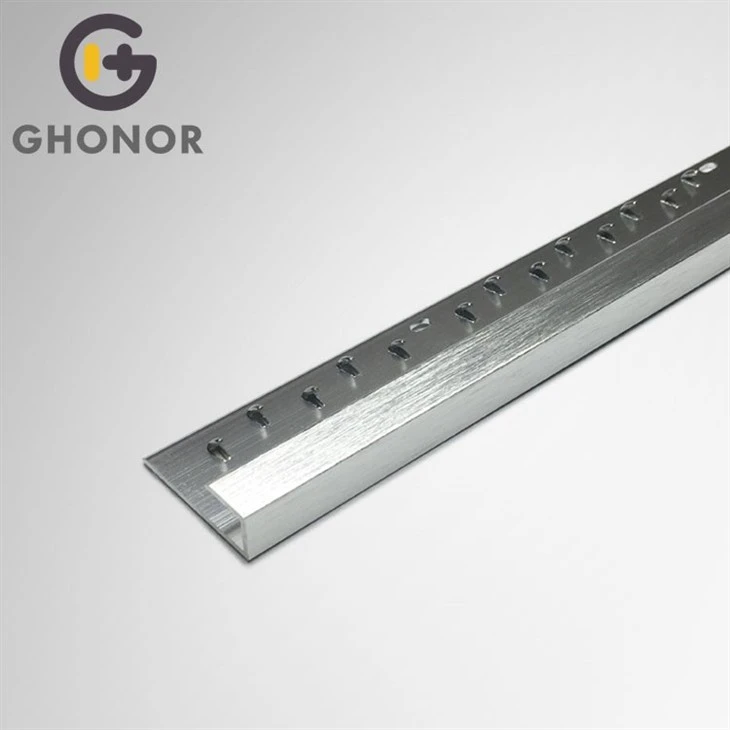
At our company, we design every aluminum carpet edge trim with longevity in mind. Our aluminum carpet transition strip is extruded to tight tolerances, so it fits securely and resists bending, even under heavy use. Our Z strip carpet transition is designed with a deep groove that holds carpet firmly, preventing it from fraying and reducing stress on the trim. We also offer aluminum floor carpet trim in a variety of finishes, from matte to glossy, so you can choose one that matches your space and stands up to wear.
All our products undergo a 5-step finishing process: cleaning, pre-treatment, powder coating, curing, and inspection, to ensure the finish is durable and resistant to scratches, chemicals, and moisture. That means when you choose our carpet aluminum edge trim, you're not just buying a transition strip - you're investing in a product that will last for decades with the right care.
If you're looking to upgrade your existing trim or install new aluminum carpet edge trim for a project, our team is here to help. We can answer questions about the best product for your space, provide guidance on installation, and offer maintenance tips tailored to your specific needs. Contact us today to discuss your requirements and get a quote.
References
- Aluminum Association. (2022). "Aluminum Finishes for Architectural Applications." Retrieved from aluminum.org
- International Residential Code. (2021). "Floor and Wall Covering Transition Requirements." Retrieved from iccsafe.org
- Powder Coating Manufacturing Association. (2020). "Durability Testing for Powder Coat Finishes on Extruded Aluminum." Retrieved from powdercoating.org
- ASTM International. (2019). "Standard Specification for Aluminum Alloys for Architectural Extrusions." Retrieved from astm.org