

Hey there, if you're tiling a space, chances are you've stared at that final transition point-where tile hits drywall, two tiles meet at a sharp corner, or a straight edge needs a clean, finished look. Last month, I had a customer shoot me a message panicking: "Wait, I thought PVC marble tile trim was 'set it and forget it'-but what if I want to paint it to match my walls?" As someone who's been in the PVC and marble tile trim game for 7 years (no, not the fancy corporate desk job where I only talk to spreadsheets-yesterday I helped a handyman fix a trim that split mid-install), this question is way more common than you'd think. Today, we're breaking it down: Is PVC marble tile trim easy to paint after installation? Let's get real, no sales jargon, just actual facts.
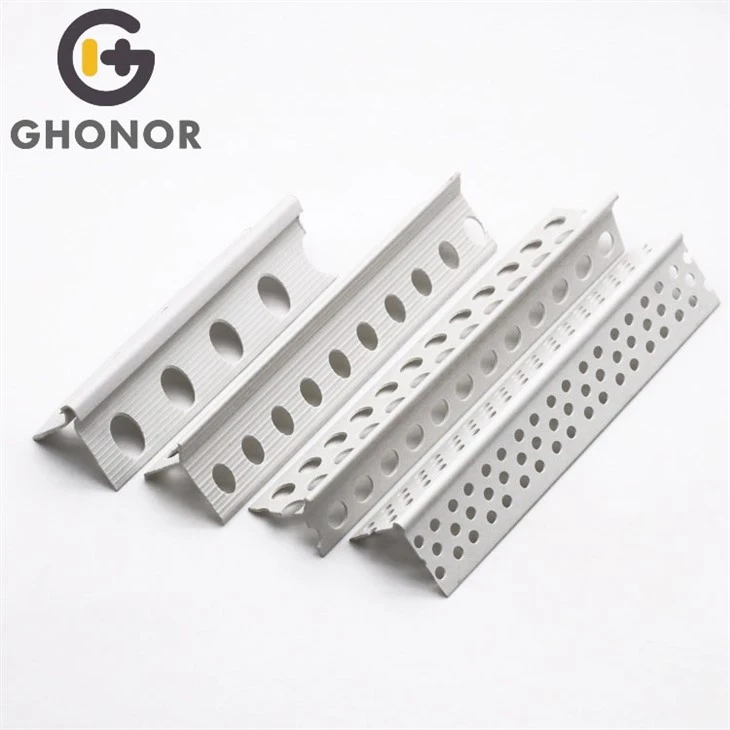
First, let's make sure we're on the same page. When people talk about PVC trim, they're usually referring to rigid vinyl-light, water-resistant, cheap compared to metal or stone trim, and way less likely to chip if you drop a tile cutter on it. The marble trim part is just PVC that's molded to look like the real thing, perfect for people who want that marble vibe without the $$$. Now, the big question: painting it. The short answer? It's doable, but not all PVC trim is made equal. I've seen people grab any trim from their local hardware store, try to paint it, and end up with chips or peeling a month later. That's why picking the right product from the start matters, and that's where our stuff comes in-like plastic corners for drywall, white plastic tile trim, PVC round edge trim, pvc tile trim corners, and plastic drywall edge trim. We test every piece to make sure it works for what people actually need, not just looks good on a shelf.
Let's get into the science (I'll keep it basic, I promise-no chemistry degree required). PVC is a non-porous material, right? That means paint doesn't stick super well on its own. The smooth, slick surface is what makes PVC trim water-resistant and durable for tiling jobs, but it's also why regular latex paint just beads up or flakes off. That's the #1 mistake people make: grabbing whatever latex paint is in their garage and slapping it on. If you do that, you're basically just painting a smooth plastic sheet-no adhesion, which leads to peeling. But here's the good news: with the right prep and paint, PVC trim can hold a finish just fine. I've had customers send photos of trim I sold them that's been painted for 3 years, no issues. One guy painted his corner trim to match his baby's nursery walls, and it still looks sharp.
Wait, so what's the key here? Prep work. And no, I'm not talking about just wiping it down with a wet cloth. Here's the step-by-step I give every customer who asks about painting trim after install, and it works every time. First, clean the trim thoroughly. Tiling dust, grout residue, even oil from your hands-all that gunk gets between the PVC and paint. I use a mix of warm water and mild dish soap, scrub every inch with a soft bristle brush, then rinse and let it dry completely. If you skip drying, moisture will get trapped under the paint, and it'll bubble. I once had a customer rush the job, didn't dry the trim, and within a week, the paint bubbled like a soda can. Oops, that's a avoidable mistake.
Next, the most important step: roughing up the surface. PVC is smooth, so paint needs something to grab onto. You don't need to sand it down to bare PVC-just a light scuff. I use 220-grit sandpaper, which is fine enough that it doesn't leave big scratches, but rough enough to create tiny little grooves for paint to stick into. If you use coarse sandpaper, you'll get deep scratches that are hard to sand out if you mess up. Once you're done, wipe the trim down with a damp cloth to get all the sanding dust off-if dust is left, it'll show through the paint like tiny bumps.

Then, primer. This is non-negotiable. Regular wall primer won't work-you need a primer made for plastic. I recommend oil-based or 100% acrylic plastic-specific primer. Water-based primers might work sometimes, but in humid areas (like bathrooms or basements), they can peel way faster. We stock this stuff for all our trim, by the way-whether it's white plastic tile trim or pvc tile trim corners, priming is the same. Two thin coats of primer, letting each one dry completely (follow the can's instructions-usually 2-4 hours). Don't slather on a thick coat; that'll run and take forever to dry. Once the primer is dry, you'll have a slightly textured surface that paint will stick to.
Now, paint. Pick the right paint. Latex paint is fine as the top coat, but make sure it's acrylic latex-oil-based paint works too, but it's stinky and takes longer to dry. For high-traffic areas or places that get a lot of moisture (like bathroom trim), use a semi-gloss or satin finish. Those are easier to wipe clean if you get grout splatters or smudges. Flat paint will show every little scratch, so skip that unless you're doing a low-traffic closet or something. Two thin coats of paint, same as the primer-let each dry all the way between coats.
Wait, but what about trim that's already been installed? Does that change anything? Nope-all these steps work whether the trim is new or already in place. I've had a customer paint plastic corners for drywall that were 2 years old, and it looked great as long as she followed the prep steps. Just make sure you don't get paint on the adjacent tile or grout-if you do, it's hard to remove. I recommend taping off the tile with painter's tape before you start, that saves so much cleanup time.
Now, let's be real-are there cases where painting PVC trim after install is a bad idea? Sure. If the trim is damaged? Like, if it's cracked, or has deep chips from dropping a tile cutter, paint won't cover that. You'd be better off replacing it. Or if you try to cut corners (pun intended) and skip the primer? Yeah, that's going to fail. But if it's intact, and you do the work, it's totally easy. I've painted my own PVC round edge trim in my kitchen, and it's held up for 2 years through dish soap splashes and kids grabbing it.
Let's talk about why our trim is different from the cheap stuff at the hardware store. A lot of generic PVC trim is made with additives that make it slicker, so paint adheres even worse. Our trim is formulated to be paintable, because we know customers want that flexibility. We test every batch: we scuff it, prime it, paint it, and leave it in a humid closet for 6 months to make sure it doesn't peel. That's why when you order our plastic drywall edge trim or pvc tile trim corners, you can feel confident painting them if you want.
Common mistakes I see all the time: 1) Skipping prep work (cleaning, sanding). 2) Using the wrong paint/primer. 3) Rushing the drying time. Let me confirm: if you apply paint when the primer is still tacky, it'll never dry right. I once told a customer, "Don't skip drying time," and she said, "It's just PVC, it dries in an hour!" Nope, that's a quick way to get peeling paint.
What about if you hate the color later? Can you repaint it? Absolutely, as long as you do the same prep steps. You don't have to sand down to bare PVC-just scuff the existing paint, apply a new primer, then new paint. I had a customer who painted his trim beige, then changed his mind to gray a year later, and it looked perfect. No need to tear out the trim, which saves so much time and money.
Let's wrap this up. Is PVC marble tile trim easy to paint after installation? The answer is: yes, if you do it right. It's not as simple as grabbing a paint can and going, but it's way easier than painting metal or stone trim. The key is prep work-clean, scuff, prime, then paint with the right products. And if you pick the right trim (like our line, including plastic corners for drywall, white plastic tile trim, PVC round edge trim, pvc tile trim corners, and plastic drywall edge trim), you're already halfway there.
Now, if you're planning a tiling project and need trim that's easy to work with-whether you're thinking of painting it later or just want a durable, budget-friendly option-we're here. We've got all the trim you need, in different sizes and styles, and we can help you pick the right one if you're not sure. Just reach out to our team to chat, we're happy to answer any questions, no pressure.
References:
- Plastic Industry Association. (2022). "Rigid Vinyl Surfaces: Adhesion Properties and Painting Guidelines".
- Tile Contractors Association of America. (2023). "Best Practices for Trim Installation and Finishing in Residential Tiling Projects".
- American Society for Testing and Materials (ASTM). (2021). "Standard Test Methods for Adhesion of Paint Films to Non-Porous Substrates".