

Hey there, if you've ever tackled a flooring project-whether it's your home, a small office, or a retail space-you've probably run into that annoying transition spot where carpet meets another floor material, like tile, hardwood, or vinyl. You might've noticed it fraying over time, or had someone trip over a loose carpet edge, or even stepped on a rough carpet edge that left a mark. That's where aluminum floor carpet trim comes in, and honestly, it's way more than just a decorative afterthought. As someone who's been in the metal transition strip game for a while now (I've seen so many people skip this part and regret it later), let me break down exactly what the purpose of this stuff is, because it's not just about making things look "nice."
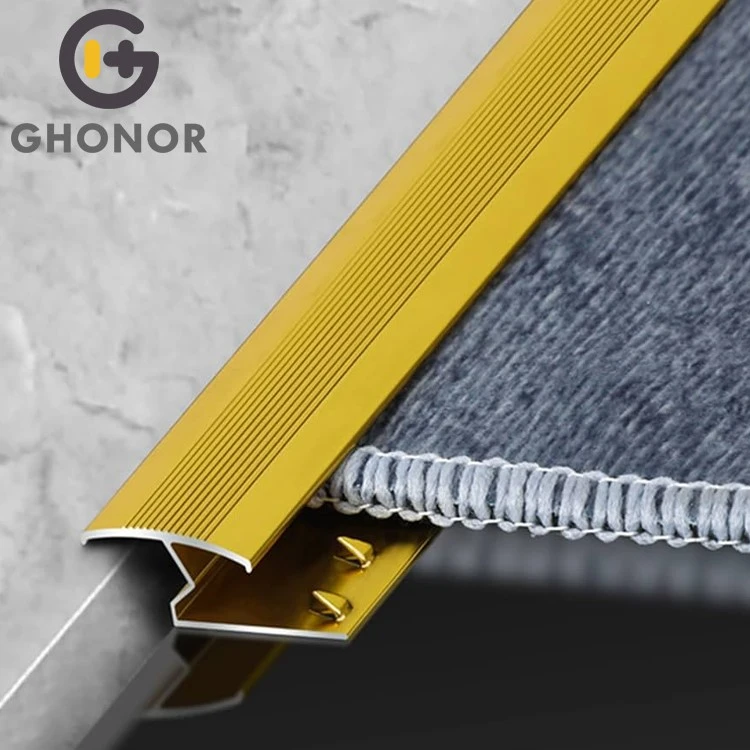
First off, let's get the basics straight: aluminum floor carpet trim-sometimes called aluminum carpet edge strip or aluminum carpet transition strip-has one core job: securing the raw, cut edge of carpet where it meets a different floor surface. But if that's all it did, you could just slap a nail down there, right? Nah, it does way more. Let's start with the durability part, because that's the big one no one talks about enough. Carpet edges are super vulnerable. Every time someone walks over that spot, the carpet fibers start to pull loose. Over months (or even weeks, in high-traffic areas like a café or a hallway), those loose fibers turn into frays, then into a tattered edge that looks messy and eventually starts to unravel the whole section. Aluminum is naturally tough, light, and resistant to rust-way better than, say, plastic trim which cracks in direct sunlight or gets brittle over time. I've had customers come to me with photos of plastic trim that shattered after a year, and their carpet edges were toast because of it. Aluminum holds up to foot traffic, spills, temperature changes, even occasional bumps from furniture. It's not going to bend out of shape or fade like plastic, so that fraying problem? Solved.
Wait, let's talk about safety next, because this is a big one for homes with kids or commercial spaces with tons of people. Unfinished carpet edges are basically trip hazards. If you've ever caught your toe on a loose carpet edge mid-step, you know how painful that is-scraped skin, a twisted ankle, even a fall if you're carrying something. Aluminum floor carpet trim creates a smooth, uniform transition between two floors. It sits flat, so there's no bump, no raised edge to catch sneakers, stroller wheels, or office chair casters. I remember a customer who owned a small daycare center; they skipped trim on the playroom carpet edge leading to the tile hallway, and a toddler tripped and scraped their knee pretty bad. After they installed our Aluminum Carpet Edge Trim (you can check that link if you want to see what we use), they told me not only did the trim eliminate the trip hazard, but the carpet edge stayed intact too. Safety isn't just a "nice to have" here-it's non-negotiable for high-traffic or public spaces.
Then there's that transition aspect, which is where aluminum carpet transition strip really shines. A lot of people think, "I just need to connect carpet to tile, so I'll use whatever." But if you don't have a trim that properly bridges two different floor heights, you end up with a gap, or one floor sitting higher than the other, which is another trip risk. Aluminum trim is designed to match the thickness of standard carpet, so when it's installed, the carpet sits perfectly level with the other floor. No gaps for dirt, crumbs, or moisture to get trapped between the two surfaces-moisture is a big deal too, right? If you have carpet near a bathroom or a kitchen, a gap could let water seep under the carpet and cause mold or mildew. Aluminum trim acts as a barrier against that, keeping your carpet and subfloor dry. I've seen so many people deal with mold issues under carpet because they skipped this barrier-total headache that could've been avoided with a simple trim.

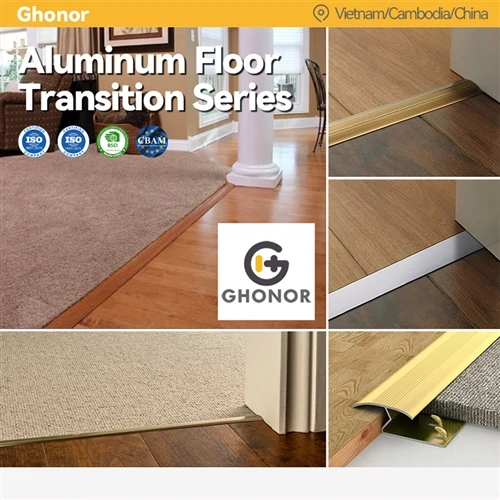
Now, let's get to the aesthetic side, because that's what makes the finished project look polished, not half-done. If you've ever installed carpet, you know cutting that edge straight is hard. Even if you get it perfectly straight, the raw cut looks messy, like you did a DIY job and didn't want to admit it. Aluminum floor carpet trim covers that raw edge seamlessly. It comes in different finishes too-matte silver, brushed aluminum, even black or bronze if you want it to match your other fixtures. It doesn't stick out like a sore thumb; it blends in so your floors look like they were professionally done, not cobbled together. I work with a lot of contractors, and they tell me this is one of those small details that makes a big difference when a client is deciding between their quote and another contractor's. No one wants to pay for a "fancy" flooring job and then have a frayed carpet edge staring at them.
Wait, let's not forget about easy maintenance. Carpet without trim can be a pain to clean. The edges are frayed, and dirt gets trapped in those loose fibers, so you're constantly vacuuming that spot and still finding crumbs a week later. Aluminum trim is smooth-you can just wipe it down with a damp cloth, same as you would tile or hardwood. No getting a vacuum brush tangled in frayed fibers, no spots that are impossible to clean. That's a huge win for busy homeowners or commercial spaces where cleaning efficiency matters.
But hold on, is there a difference between all these different types-like carpet aluminum edge trim vs. aluminum floor carpet trim? Yeah, a little, but at the end of the day, they all serve the same core purpose. Some are designed for thinner carpet (like in apartments) and some for thicker plush carpet (like in bedrooms), but the goal is still securing the edge, creating a safe transition, and making the whole floor look neat. I always tell people to pick a trim that matches their carpet's thickness and the type of space-high-traffic areas need a heavier-gauge aluminum, while a bedroom can use a lighter one, but either way, aluminum is better than other materials for longevity.
A lot of people ask me, "Why not just use a metal trim that's not aluminum?" Fair question, but aluminum has specific benefits over steel, brass, or other metals. It's way lighter, so it's easier to cut and install (especially for DIYers, though I always recommend professionals for commercial jobs). It's also more resistant to corrosion-steel will rust if it gets wet, which leaves stains on your carpet and floor. Brass is nice, but it's more expensive and can tarnish over time. Aluminum stays looking good for years, no extra upkeep. That's why we only work with aluminum floor carpet trim-we've tested other materials, and they just don't hold up as well for the price.
Now, let's talk about when you actually need this. It's not just for when you're replacing carpet. If you have an old home where the carpet edge is already frayed, or you just moved into a space with a messy transition, this is a quick fix. Installing aluminum carpet edge strip is way cheaper than redoing the entire carpet. I had a customer last month who had a 10-year-old carpet in her living room; the edge where it met the hardwood was super frayed. She installed our Aluminum Carpet Edge Trim in an afternoon, and it looked like a brand-new floor. No need to pull up the old carpet, no messy repairs-just a quick, easy upgrade that extends the life of her carpet for years.
For commercial spaces, it's non-negotiable. Think about retail stores, office hallways, restaurants-all of these have tons of foot traffic, so carpet edges fray fast. Aluminum trim doesn't just secure the edge; it also adds a layer of protection against furniture carts, foot scuffing, even spills. A restaurant owner told me that since they installed our trim, they've had zero issues with carpet fraying, and their customers don't trip anymore. It's a small investment that saves them money in the long run because they don't have to replace the carpet as often.
Wait, let's address a common misconception: some people think aluminum trim is too hard or will make their carpet feel weird underfoot. Nope-when it's installed correctly, it's flush with the carpet surface. So when you walk over it, you don't feel a hard metal edge; it's smooth, like the rest of the floor. The only time you'd feel it is if it's installed wrong, so that's why I always recommend getting it done by someone who knows what they're doing, or if you're a DIYer, following the installation instructions carefully (make sure you cut it to the right length, nail it securely, and fit it perfectly to your carpet thickness).
So to wrap this up, the purpose of aluminum floor carpet trim is threefold: first, it protects your carpet edge from fraying and unraveling, extending the life of your carpet. Second, it creates a safe, smooth transition between different floor surfaces, eliminating trip hazards and keeping out moisture and dirt. Third, it polishes the look of your flooring project, making it look professional and well-maintained, with minimal upkeep needed. It's not just a decorative piece-it's a functional, long-lasting solution that solves so many common flooring problems.
If you're working on a project right now, or you have an old space that needs a fix, we've got all the different types you need-whether you're looking for aluminum carpet edge strip, aluminum carpet transition strip, or just browsing aluminum floor carpet trim, our team can help you pick the right one for your space. We work with DIYers, contractors, homeowners, and commercial businesses, so no matter what your project size is, we've got you covered. If you have questions about which trim works best for your carpet thickness or floor type, don't hesitate to reach out to our team to chat through your needs. We're here to make sure you don't have to deal with frayed edges or trip hazards down the line.
References:
- National Floor Covering Association. "Transition Strips: The Unsung Heroes of Flooring Installations." 2022.
- Aluminum Association. "Benefits of Aluminum for Architectural and Construction Applications." 2023.
- Occupational Safety and Health Administration (OSHA). "Walking-Working Surfaces: Trip Hazard Prevention in Commercial Spaces." 2021.
- Carpet and Rug Institute. "Carpet Edge Durability and Maintenance Guidelines." 2022.