


Cost comparison: Aluminum carpet trim vs. other types?
Here's a cost comparison of aluminum carpet trim versus other common types (plastic, wood, vinyl, and rubber), factoring in material, installation, longevity, and maintenance:
1. Upfront Material Costs (Per Linear Foot)
|
Trim Type |
Cost Range (USD) |
Notes |
|
Aluminum |
2–2–8 |
Higher-end finishes (brushed, anodized) cost more. |
|
Plastic |
0.50–0.50–3 |
Cheapest but less durable. |
|
Vinyl |
1–1–4 |
Flexible and moisture-resistant. |
|
Wood |
3–3–10 |
Natural aesthetics; pricier for hardwoods. |
|
Rubber |
1.50–1.50–5 |
Soft and non-slip; mid-range pricing. |
2. Installation Cost
Aluminum:
May require professional installation for precise fitting (3–3–8 per linear foot).
DIY-friendly with pre-notched channels, but tools (rubber mallet, saw) add time.
Plastic/Vinyl/Rubber:
Often DIY-friendly (0–0–2 per foot for adhesives or staples).
Wood:
Labor-intensive (cutting, staining, sealing) → higher labor costs (5–5–15 per foot).
3. Longevity & Maintenance
|
Trim Type |
Lifespan |
Maintenance Costs |
|
Aluminum |
15–30+ years |
Minimal upkeep; occasional cleaning. |
|
Plastic |
5–10 years |
Prone to cracking; frequent replacement. |
|
Vinyl |
10–15 years |
Fades or warps in UV/sunlight. |
|
Wood |
10–20 years |
Requires refinishing, staining, and moisture protection. |
|
Rubber |
8–15 years |
Degrades in UV light; may harden over time. |
4. When to Choose Each Type
Aluminum:
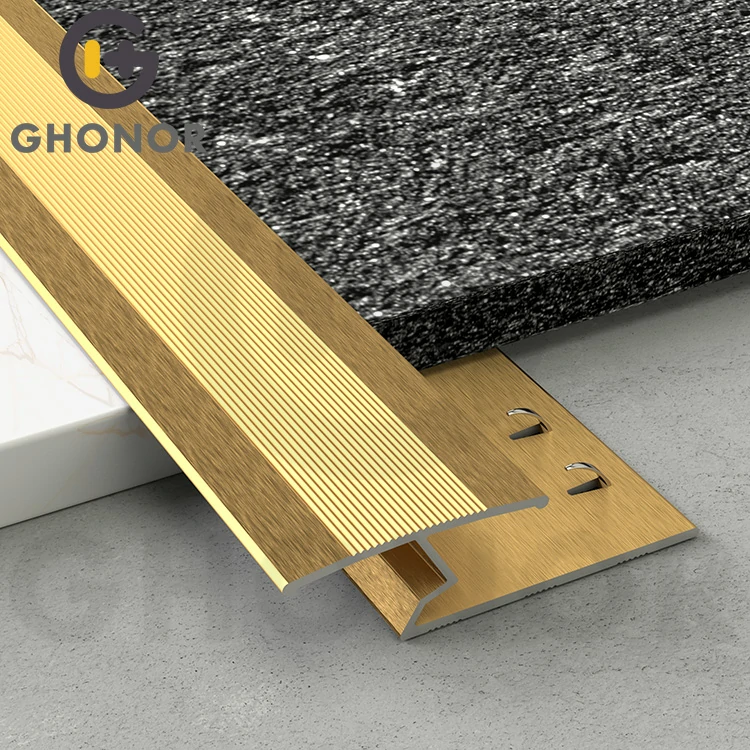
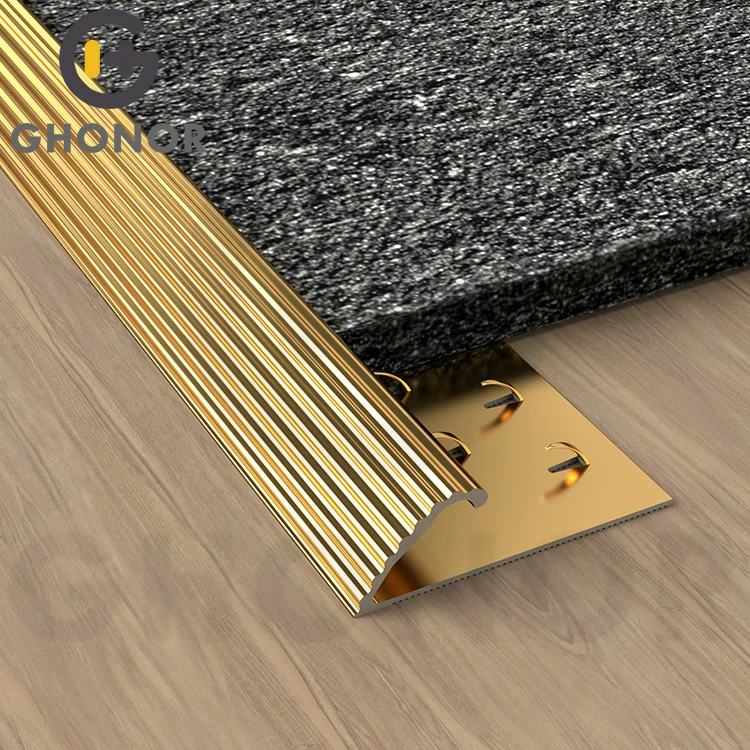
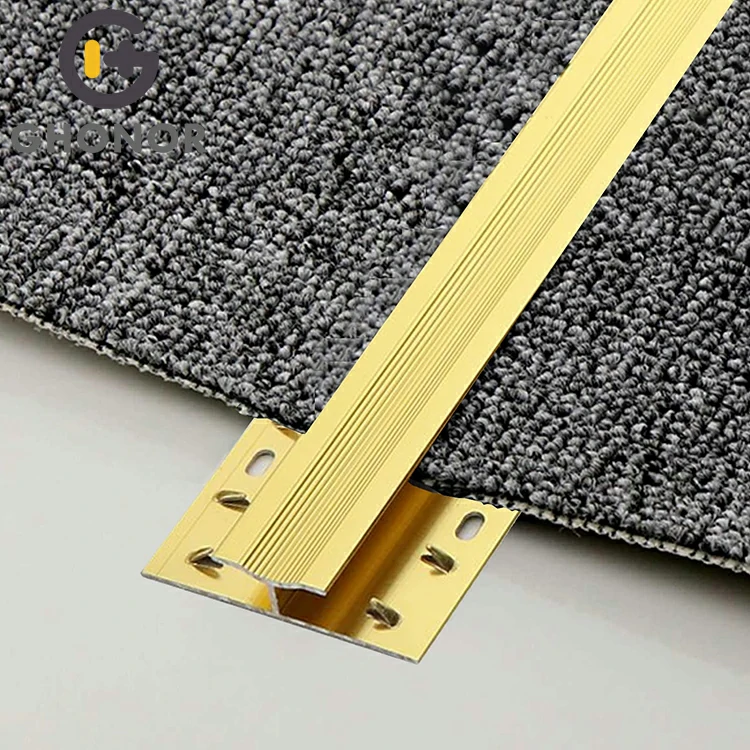
Worth the cost for high-traffic areas (hallways, offices), moisture-prone spaces (basements), or long-term use.
Ideal for commercial settings or modern aesthetics.
Plastic/Vinyl:
Budget-friendly for low-traffic areas (bedrooms) or temporary setups.
Wood:
Best for high-end residential spaces where aesthetics outweigh cost.
Rubber:
Useful in gyms, playrooms, or areas needing slip resistance.
Key Takeaways
Choose based on your budget, traffic levels, and design goals!
Aluminum has higher upfront costs but offers the lowest lifetime cost due to durability.
01
Plastic/vinyl save money short-term but require replacements.
02
Wood is the most expensive long-term (labor + upkeep).
03
Rubber balances cost and safety but lacks aluminum's durability.
04

Share this post

Leah Liu
Hello there! I am Leah. I have worked in the building materials industry for over 10 years. I want to share my experience here - let us make progress together!