


What is a floor transition strip called?
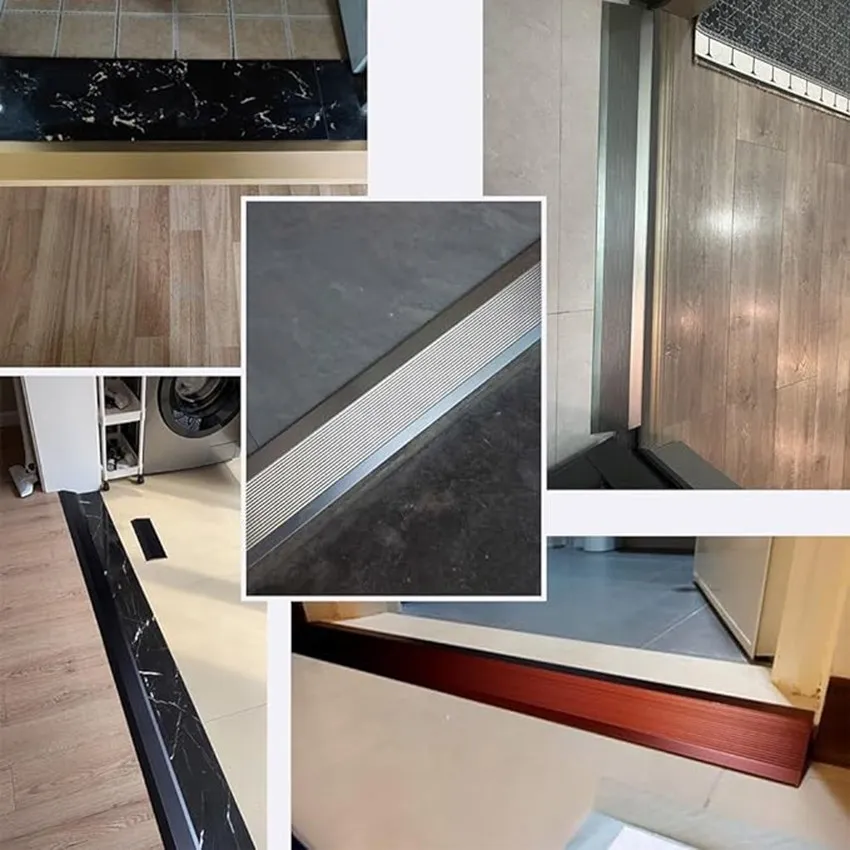
Short answer: Floor transition strips are also known as transition molding, thresholds, reducers, T-shaped molding or joint adhesives - the exact term depends on the shape and usage. These slender Outlines form a bridge between two floors (usually at different heights or made of different materials), protecting the fragile edges and creating a clean, safe and lasting transition between Spaces.
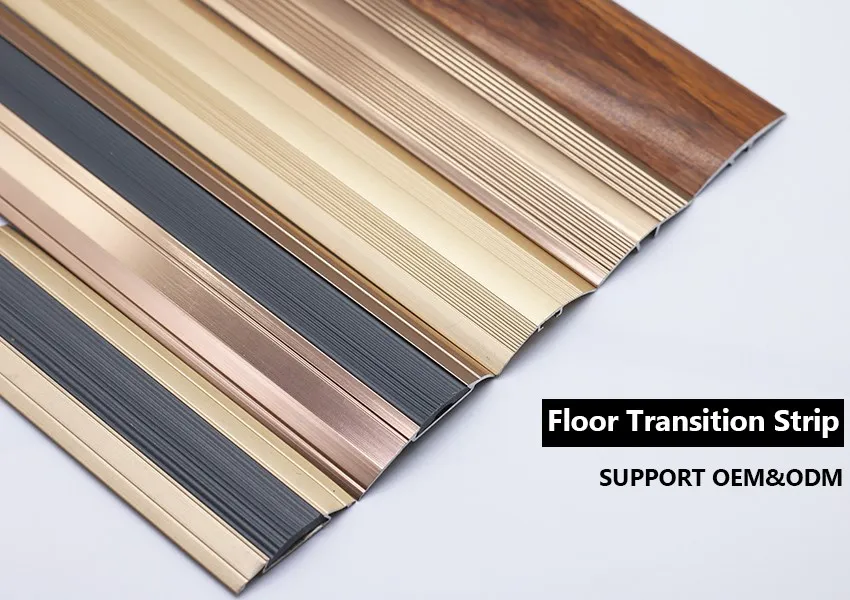
What is a floor transition strip?
Floor transition strips link adjacent floor coverings and maintain necessary expansion gaps. They level height differences, conceal exposed edges, and deliver a neat, continuous finish between materials like tile, carpet, laminate, and vinyl.
Common names you'll hear

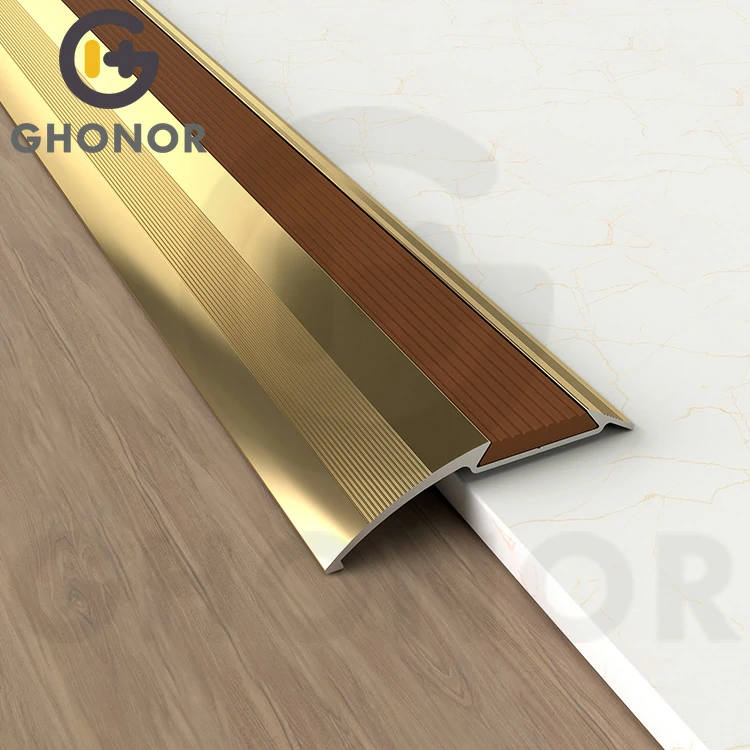
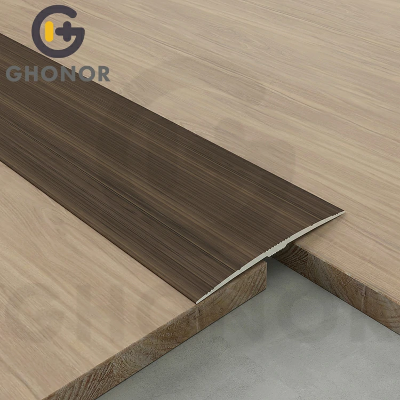
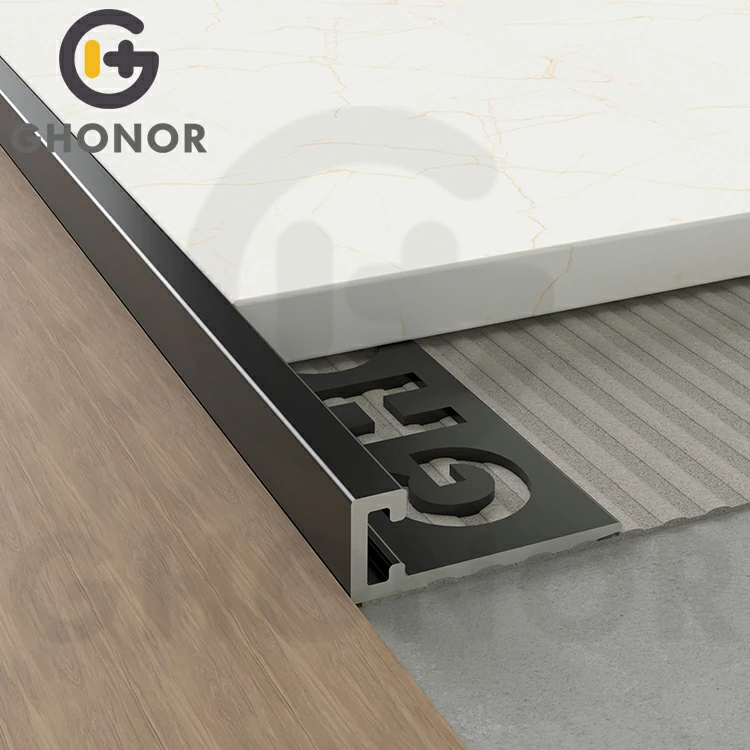
The Function of a Floor Transition Strip
Safety & accessibility: removes trip points where heights differ.
Edge protection: prevents carpet fraying and tile edge chipping.
Aesthetics: clean, intentional seams improve the visual flow of open-plan spaces.
Performance: maintains required expansion gaps (vital for laminate/LVP) and reduces callbacks.
Advantages of Using the Right Transition
Professional finish on mixed flooring projects (kitchens, corridors, hotel rooms).
Longevity: protects edges where traffic and cleaning tools are toughest.
Installation speed: off-the-shelf profiles cut quickly and mount with simple tools. Consistency: standardizes details across large programs (multi-unit residential, retail).
What Is a Floor Transition Strip Called in Specific Scenarios?
1) Carpet to tile transition strip
Use a reducer when tile is higher than carpet; it slopes down to protect carpet edges and remove the lip. Metal, wood, and vinyl versions exist.
2) T molding transition strip (tile to wood/LVP at equal heights)
A T-molding bridges two floors of similar height and sits over the expansion gap for a neat, symmetrical seam-common between rooms or across open thresholds.
3) Tile transition strips
Umbrella term for profiles used at tile edges-T-moldings, thresholds, reducers, or metal trims that protect glazed edges while aligning heights.
4) Tile to laminate transition strip
Choose T-molding if levels are equal; otherwise, a reducer handles the height change while preserving the laminate expansion space.

Types & Materials You'll Encounter
Shapes: T-molding, reducer, threshold/saddle, end cap/square edge, stair nosing.
Materials: aluminum (light, durable), stainless or brass (premium, high-traffic), wood (warm look), PVC/vinyl (cost-effective, flexible).
How to Choose the Right Profile (Quick Decision Guide)
Check height difference:
- Equal heights → T-molding
- Higher to lower → Reducer
Confirm materials:
- carpet to tile transition strip → look for reducers with carpet clamps or gradual slopes.
- tile to laminate transition strip → allow for laminate expansion; T-molding or reducer per height.
Environment: wet areas favor metal or appropriate coatings; commercial entries may need stainless/brass.
Ghonor Solutions: Floor Transition Strip Styles & Types We Provide
- Our metal transition strips are built for real-world projects across tile, laminate, wood, and vinyl. Choose aluminium, stainless steel, or brass, finished to spec-anodized, powder-coated, brushed, or polished. For OEM/ODM programs, we cut to your length, machine custom drilling or punching, and supply matching accessories like end caps and connectors to keep the line consistent from box to site.
- Shape library covering t molding transition strip, reducers, thresholds/saddles, and end caps for doorways, corridors, and open plan installs-optimized for tile transition strips and mixed-material joints.
- Program scale & manufacturing: integrated metal-profile production across China and Vietnam bases with extrusion, machining, finishing, and QC-built to support multi-order retail and project rollouts.

FAQs
Q: What is a floor transition strip called?
A: It's generally called a floor transition strip or transition molding; specific shapes have names like T-molding, reducer, threshold/saddle, and end cap.
Q: Which profile is best for carpet to tile?
A: A reducer designed for carpet edges-protects the pile and removes height lips.
Q: What if tile meets laminate?
A: If they're the same height, use a T-molding; if not, use a reducer and keep the laminate expansion gap.
Q: Do metal tile transition strips dent?
A: Aluminum is light and easy to cut; avoid striking the profile during install to prevent dents-basic care keeps the finish clean.
Share this post

Leah Liu
Hello there! I am Leah. I have worked in the building materials industry for over 10 years. I want to share my experience here - let us make progress together!