


The Ultimate Guide to Heavy-Duty Brass Floor Transition Strips for High-Traffic Areas
If you are choosing floor profiles for a high-traffic commercial environment (such as airport terminals, hotel lobbies, shopping centers, or upscale retail spaces), you surely understand that if the transition strips are not sturdy enough, they will become a ticking time bomb in the maintenance budget.

From a manufacturing perspective, here is a clear answer: Heavy solid brass is the only building material that can prevent deformation, cracking at the tile edges, and the risk of frequent replacements under continuous foot traffic and rolling loads. Although aluminum or PVC materials have lower initial costs, they are prone to bending, scratches, or warping during commercial use, leading to safety hazards and high downtime and maintenance costs. Brass has a higher initial purchase price, but if you invest in high-quality solid brass profiles, it can ensure that the transition area remains flat, safe, and perfectly styled for decades. This brings the highest long-term return on investment for any commercial project.
Why can't high-traffic projects rely on "standard" metals?
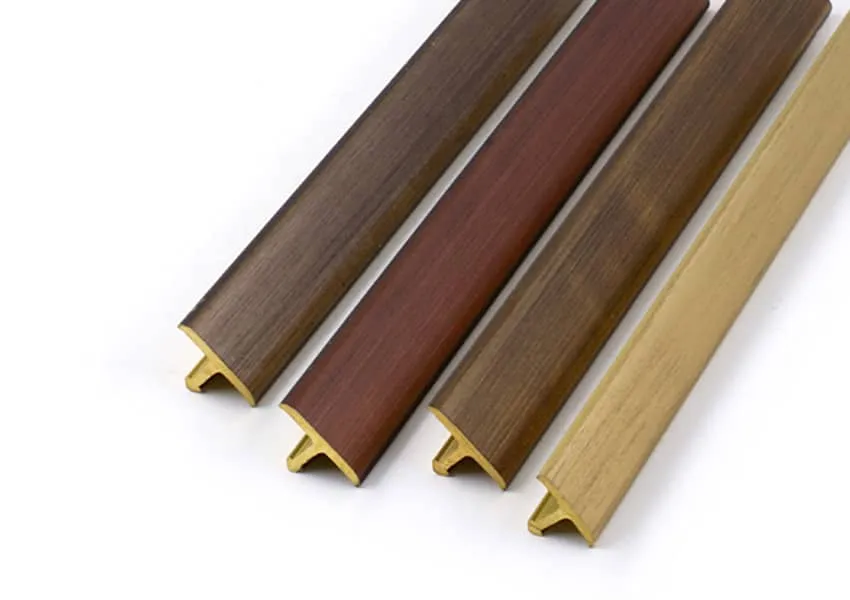
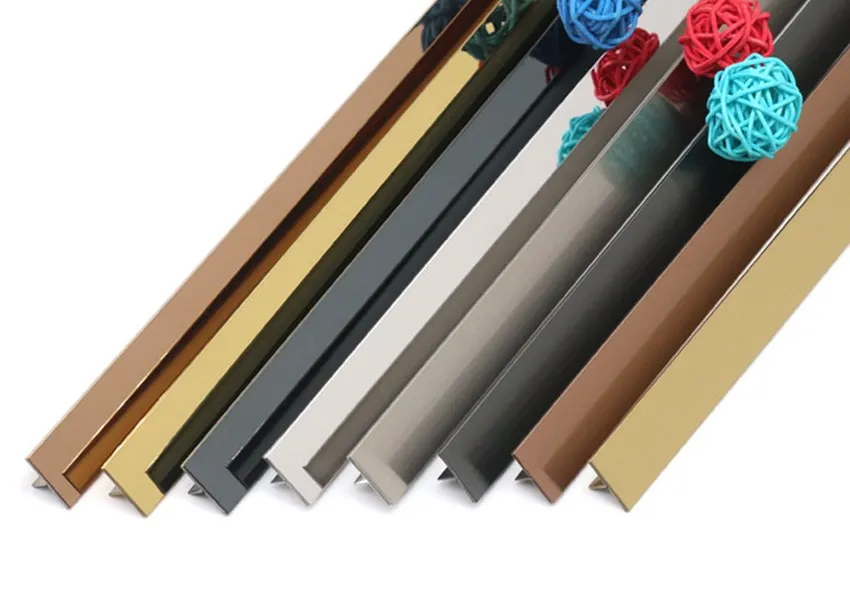
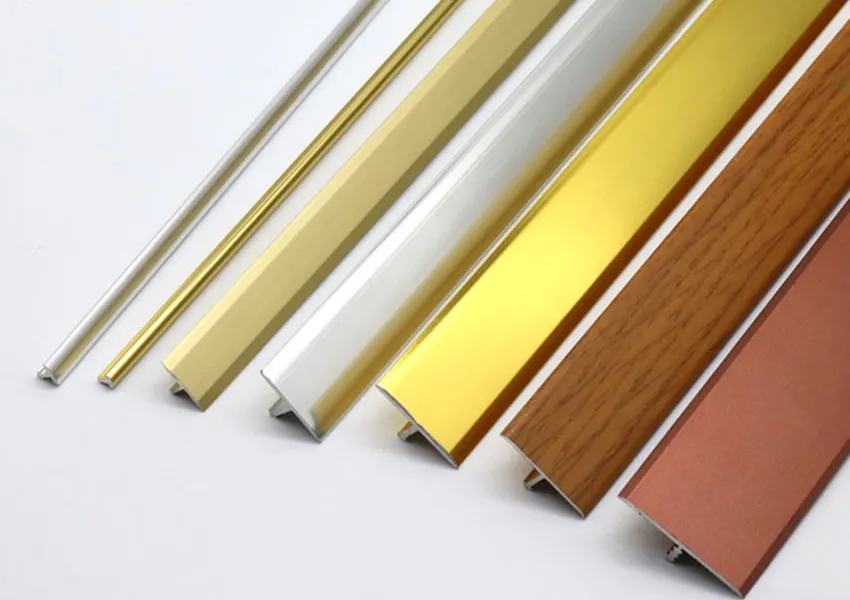
In commercial procurement, the value of a product is reflected in its actual usage. When airport luggage carts, high-heeled shoes, and industrial cleaning equipment frequently pass through the same area, materials science reveals the truth:
Aluminum alloy vs Brass: The aluminum alloy is lightweight and economical, suitable for household use. However, in high-frequency commercial environments, the structural walls of the aluminum transition strips are prone to bending, and the anodized surface will eventually wear out. In contrast, solid brass (using high-density copper-zinc alloys such as H59) has sufficient original density and can absorb heavy mechanical impacts without shifting or collapsing.
Stainless Steel vs Brass: Stainless steel is sturdy and durable. However, when scratches occur in high-traffic areas, it leaves bright silver marks, which can damage the overall appearance of the floor. The scratches on brass surfaces are different. Since it is a solid, uncoated alloy, the scratches naturally blend into its surface, gradually forming a textured architectural patina over time, giving the space a unique character rather than looking old and worn out.
Match commercial flows with the appropriate profiles
According to the design of modern commercial buildings, standard profiles cannot fit all layouts. Based on the high-volume production lines we manufacture for the Western market, the following are the mainstream profiles suitable for heavy-duty applications:
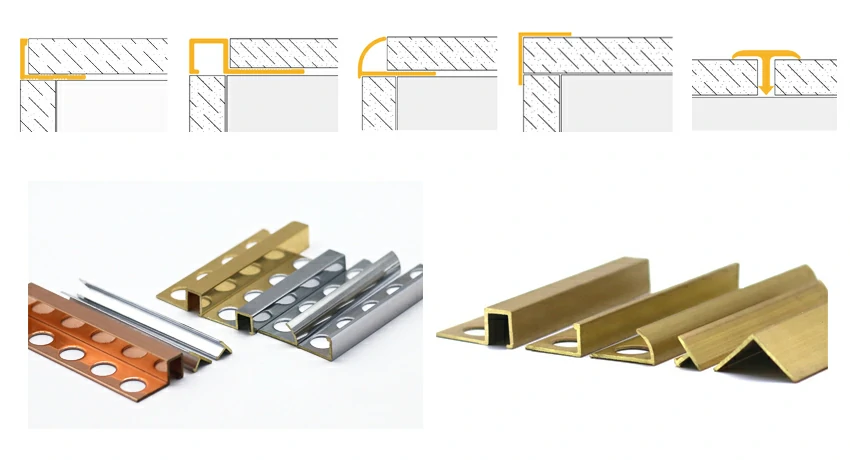
✅ Square Edges and L-Shaped Profiles
These are the core choices in modern commercial projects. When heavy trolleys transfer tiles from ceramic to concrete or stone, the thick-walled square-edge brass trim can firmly secure the fragile edges of the tiles, preventing minor cracks or chipping when subjected to significant vertical pressure.
✅ T-shaped and H-shaped joint profiles
Designed specifically for large-scale commercial floors (such as pedestrian walkways in large shopping malls or hotel lobbies). These profiles serve as elegant expansion joints between highly consistent materials, such as between marble and marble or between marble and stone slabs, allowing for natural settlement while maintaining a completely flat passable area.
✅ Ramp and transition profiles (height transition)
Whenever the surface material transitions from a higher surface to a lower surface (for example, from thick commercial ceramic tiles to low-density carpet), this transition must be seamless. For Western commercial projects, these reducers must have a calculated gentle slope design to ensure strict compliance with local accessibility standards (such as ADA standards), thereby eliminating the risk of tripping.
Engineering design for reducing liability risks: Safety and specification thickness
For contractors and property owners, the choice of heavy-duty transition strips largely depends on risk management.
● The thickness of the wall is crucial: In residential applications, the standard profile wall thickness is 1.0 millimeter. However, for commercial projects that truly require high strength, the brass profiles we produce can offer custom specifications of 1.5 mm, 2.0 mm, or even thicker. This additional material ensures that the vertical and horizontal legs will not deform or collapse when subjected to heavy hotel trolleys or electric floor cleaning machines.
- Anti-slip surface treatment: The high-traffic areas near the building entrance are prone to moisture. By using brass profiles with built-in grooves for the anti-slip surface, the friction force can be effectively increased, protecting pedestrians and helping project contractors avoid legal liability resulting from slips.
Hiding the daily wear of building finishes
The performance of the metal profiles under millions of steps determines the lasting luxurious texture of commercial properties.
- Brushed/velvet finish brass: This is the gold standard for high-traffic areas. The finely textured directional brushed lines on the surface have strong inclusiveness and can easily conceal minor scratches and wear caused by daily walking.
- Polished/ Mirror-Glazed Brass: Exhibits a striking and highly lustrous luxurious effect. Although it has a strong visual impact in high-end boutique spaces, it is recommended to avoid using it in areas close to heavy-duty roller equipment, as over time, rough dirt will naturally cause the mirror-like luster to become matte.

Direct Factory Procurement: Reducing Your Business Supply Chain Risks
For global distributors, building material wholesalers, and engineering procurement companies, ensuring a reliable supply of heavy brass is just as important as product specifications.
As a manufacturer based in China's industrial manufacturing hub, we focus on helping global enterprises optimize the procurement process of brass profiles through three core capabilities:
Precision Customized Extrusion: Architectural business drawings often require non-standard sizes, specific depths, or unique angles. Our factory can complete the entire process from the approval of customized CAD drawings to mold production, ensuring that the final extruded brass fully meets the project specifications.
Stability in Mass Production: Brass production has extremely high requirements for raw material control. We have a large reserve of high-purity copper and zinc to protect B2B partners from the impact of sharp price fluctuations and ensure a stable and reliable delivery cycle during the construction peak season.
Perfect surface protection: Each of our heavy-duty brass products is treated with high-quality protective film and sturdy packaging boxes to ensure that the brass edge strips can be safely delivered to your overseas warehouse or construction site without any scratches or bends.
Share this post

Leah Liu
Hello there! I am Leah. I have worked in the building materials industry for over 10 years. I want to share my experience here - let us make progress together!